Communal Area Cleaning in Ealing
Keeping shared spaces clean, tidy, and welcoming for Ealing residents

If you live in, manage, or own a block of flats, converted house, mansion block, or mixed-use building, Communal area Cleaning in Ealing is one of those services that makes a noticeable difference every day. Shared entrances, hallways, stairwells, landings, bin stores, lift areas, and access routes are used constantly, so they quickly show dust, marks, footprints, litter, and general wear. A well-planned cleaning service helps these spaces stay presentable, sanitary, and easier to maintain over time.
In a busy area like Ealing, where you’ll find everything from period conversions near Ealing Broadway to modern developments, family homes split into flats, and larger residential blocks close to transport links, communal spaces need a practical cleaning routine that fits the building. Good cleaning is not just about appearances. It supports hygiene, improves first impressions, and helps residents feel more comfortable using the shared parts of their building.
Local customers often look for a service that understands the realities of Ealing properties: limited parking, secure entry systems, narrow staircases in older buildings, lift lobbies that need regular attention, and multi-occupancy buildings where different households use the same space every day. A local team can work around these conditions and deliver reliable results without causing disruption.
What communal area cleaning typically includes
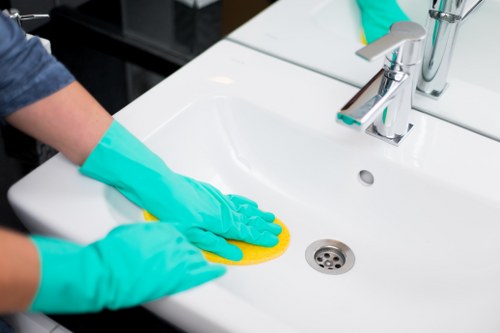
Every building is different, but most communal cleaning schedules include a mix of regular tasks designed to keep shared areas neat and hygienic. The aim is to keep high-traffic spaces clean enough for daily use while also paying attention to details that residents notice, such as cobwebs, fingerprints, and marks around switches and handles.
Typical communal area cleaning tasks may include:
- Sweeping and vacuuming entrance halls, corridors, staircases, and landings
- Mopping hard floors using suitable products for the surface
- Dusting skirting boards, ledges, bannisters, and window sills
- Wiping handrails, door handles, push plates, and switches
- Cleaning entrance doors, glass panels, and internal glazing
- Spot-cleaning marks on walls, doors, and communal touchpoints
- Removing litter and debris from shared circulation areas
- Cleaning lift lobbies, lift doors, and control panels where relevant
- Checking and tidying bin areas or refuse enclosures as agreed
- Reporting issues such as spills, damage, or hazards when noticed
For some buildings, the service may also include additional duties such as internal window cleaning, polishing, soft dusting in awkward corners, and more frequent attention to entrances during wet weather. The best schedule is usually one that reflects the amount of foot traffic and the standard expected by residents, landlords, or managing agents.
Why communal cleaning matters in Ealing properties

Ealing has a wide variety of property styles, and each one brings different cleaning challenges. Older properties may have decorative staircases, original flooring, painted woodwork, and narrow shared passages that need careful handling. Newer developments may have glass, metal finishes, lift systems, and secure entry areas that need regular wipe-downs to stay presentable. In both cases, shared spaces can quickly become untidy if they are left without a proper routine.
Regular communal area cleaning helps prevent small issues from becoming bigger ones. Mud from wet shoes, dust from busy roads, fingerprints around doors, and litter left by visitors can build up quickly. In larger blocks, even a short delay between cleans can make an entrance look neglected. Consistent cleaning supports a better living environment and reduces complaints from residents.
For landlords, freeholders, and managing agents, reliable cleaning is also important from an asset-care point of view. Shared parts of a building contribute to the overall impression of the property. Clean entrances and corridors can help preserve the condition of fixtures and surfaces, making the building feel looked after and professionally managed.
Suitable for residential and commercial shared spaces
Residential buildings
Communal cleaning is particularly valuable in apartment blocks, maisonettes, and converted houses where multiple households share entrances and internal access routes. In Ealing, many of these properties see frequent movement in and out throughout the day, especially near transport hubs, shopping streets, and busy residential roads. A regular cleaning plan helps these areas stay clean enough for everyday use.
Common residential sites that benefit from this service include:
- Purpose-built apartment blocks
- Victorian and Edwardian conversions
- Private estates and managed developments
- Retirement housing schemes
- Housing association buildings
- Student and professional shared accommodation
Commercial and mixed-use spaces
Some Ealing properties have a mixture of residential and commercial use, with shared entrances, internal corridors, or access ways that need to remain clean for both tenants and visitors. Offices above retail units, shared service corridors, and mixed-use developments often require a flexible cleaning arrangement that works around opening hours and footfall patterns.
Shared commercial spaces often need attention in:
- Small business premises with communal lobbies
- Managed office buildings
- Mixed-use blocks with flats above shops
- Converted buildings used by multiple occupiers
- Reception and access areas used by staff and visitors
Whether the property is residential, commercial, or a combination of both, the cleaning approach should be consistent, discreet, and tailored to the site.
What a professional service can do better

A professional cleaning arrangement does more than remove visible dirt. It brings structure, accountability, and consistency to the upkeep of shared spaces. Residents tend to notice when a building is cleaned properly: corners are not ignored, touchpoints are not left sticky, and the entrance feels cared for. This matters because shared areas create the first impression every time someone comes home or visits the building.
Benefits of using a local cleaning team include:
- Regular visits that keep the building presentable
- Use of suitable products for different floor and surface types
- Attention to high-touch areas that need frequent cleaning
- Flexible scheduling to suit residents and building access rules
- Better understanding of local parking and access limits
- Quicker response when extra attention is needed after incidents or bad weather
A reliable team can also help with consistency. The same building may be used by dozens of people, and without a set routine, cleaning standards can vary. With a planned service, residents and property managers know what is being done and when, which makes day-to-day life easier.
In many cases, local knowledge really matters. Ealing buildings may have restricted entry systems, timed access, shared key arrangements, or narrow communal hallways where equipment needs to be managed carefully. An experienced team works quietly and efficiently around these conditions, reducing disruption for residents.
How communal area cleaning usually works
A straightforward process from enquiry to regular visits
Most customers want a service that is easy to arrange and simple to maintain. The usual process starts with an initial enquiry and a discussion about the building, the size of the shared spaces, how often cleaning is needed, and any site-specific requirements. From there, a suitable plan can be agreed based on the condition and use of the property.
Typical service steps include:
- Assessing the property layout and shared areas
- Discussing frequency, access arrangements, and priorities
- Agreeing the cleaning tasks and the best time to carry them out
- Setting up a routine that fits residents and building management
- Reviewing the service if the building’s needs change over time
Because communal spaces can vary so much, the most effective plan is one based on real conditions rather than a one-size-fits-all approach. A small stairwell in a converted house may need different attention from a larger block with lifts, glass doors, and multiple access points. The service should reflect how people actually use the building.
Regular communication is also important. If a bin area becomes harder to manage, if resident usage increases, or if certain spots require more frequent cleaning in winter, the schedule can often be adjusted. That flexibility is especially useful in a busy borough like Ealing, where property use can change across seasons and tenancy cycles.
Local knowledge across Ealing and nearby areas

Ealing is a large and varied part of West London, and that variety matters when it comes to cleaning communal spaces. Some buildings are close to busy transport routes and see a lot of daily footfall. Others are tucked away on quieter residential streets but still have shared entrances that need routine attention. A local team understands that access, timing, and the type of property all affect how the work is done.
The service is often useful across the wider Ealing area, including locations such as Ealing Broadway, North Ealing, South Ealing, West Ealing, Acton borders, Hanwell, and Greenford-adjacent neighbourhoods. The exact needs of each site will vary, but the same principle applies: shared spaces should stay clean, safe, and welcoming for everyone who uses them.
Nearby roads and districts can also influence the cleaning plan. In some parts of Ealing, parking may be limited or controlled, loading access may be tight, and equipment needs to be carried through communal entrances rather than parked close by. That is why a local provider who understands the area can be a practical advantage.
The service is especially valuable for buildings near busy shopping and commuter routes, where mud, dust, and general street debris can be brought indoors more quickly. A consistent schedule helps reduce that build-up and keeps the property looking cared for between resident visits.
What is included in a regular cleaning visit
Practical tasks that make a visible difference
When customers enquire about Communal area Cleaning in Ealing, they often want to know exactly what happens during a normal visit. While every building is different, a typical appointment focuses on the areas most likely to accumulate dirt and marks. The cleaning is usually methodical, starting at one point of the building and working through each shared area in a sensible order.
A well-run service may include:
- Cleaning the main entrance and nearby glass surfaces
- Vacuuming carpets in stairs, landings, and corridors
- Sweeping and washing hard flooring
- Wiping bannisters, rails, ledges, and other touchpoints
- Removing visible debris, cobwebs, and dust build-up
- Cleaning lift areas, where provided
- Spot-cleaning marks and smudges from walls or doors
- Tidying bin-store approaches if included in the agreement
Some buildings need extra attention in certain seasons. In winter, wet footprints and salt residue may be more common. In spring and summer, dust, pollen, and outdoor debris can gather more quickly. A regular plan should be adaptable enough to deal with those changes without making the building feel neglected.
Attention to detail is important
Shared areas are often judged by the small things. Clean corners, neat edges, and consistently wiped surfaces tell residents that the building is being cared for properly. That is why dependable communal cleaning should cover both the obvious and the easy-to-miss areas.
Pricing factors and what affects the quote
Customers often want to understand what shapes the cost of communal cleaning before they ask for a quote. Exact prices are not fixed because every building has different requirements, but several factors usually influence the final arrangement. Knowing these in advance helps customers compare services fairly and avoid misunderstandings later.
Common pricing factors include:
- Size of the building and number of floors
- How often cleaning is required
- Type of flooring and surface finishes
- Whether lifts, glass panels, or extra touchpoints are included
- Condition of the communal areas at the start of service
- Ease of access and parking near the property
- Any additional tasks such as bin-area cleaning or internal window cleaning
Buildings in Ealing can be straightforward to access or more difficult depending on location, parking controls, and entry arrangements. If equipment has to be carried up several floors, or if cleaning must happen at specific times to avoid disturbing residents, those details may affect the schedule. A proper quote should reflect the real work involved, not just the size of the property on paper.
For landlords and managing agents, it is helpful to discuss the cleaning specification clearly from the start. That way, the service can be set at the right level and the building receives the care it needs without unnecessary extras or gaps in coverage.
Why choose a local company for Ealing communal cleaning
Practicality, reliability, and local understanding
There are several reasons local customers prefer a nearby team for communal cleaning. First, local cleaners are usually better placed to understand the layout and access issues common in the area. Ealing properties often range from older houses converted into flats to larger purpose-built blocks with secure access, and each type of building presents different operational needs.
Second, a local team can be more responsive if the building needs an adjustment to the cleaning plan. Maybe the entrance gets busier during a certain time of year, perhaps resident numbers have increased, or a new bin area has been introduced. Working with a provider that already knows the area makes these changes easier to handle.
Local advantages can include:
- Better understanding of Ealing property layouts
- More practical planning around parking and access
- Consistent attention to shared residential spaces
- Flexible cleaning for blocks, conversions, and mixed-use sites
- Clearer communication with building managers and residents
Another benefit is continuity. Shared spaces feel better maintained when they are cleaned by a team that knows the building and its daily rhythm. That familiarity helps with efficiency and reduces the chance of important areas being missed.
Preparing your building for communal area cleaning
Simple steps that help the service run smoothly
Before a regular clean begins, a few simple preparations can make the process easier and more efficient. In most cases, the aim is just to ensure that cleaners can access the areas safely and carry out the agreed tasks without avoidable obstacles.
Useful preparation checklist:
- Make sure access arrangements are clear and up to date
- Remove personal items from shared areas where possible
- Keep communal floors clear of large obstructions
- Let residents know about any cleaning schedule changes
- Report any damaged fixtures, leaks, or hazards in advance
- Confirm any special instructions for alarms, keys, or security systems
For blocks with resident notice boards or management communications, it can help to share the cleaning timetable so everyone knows when the service will happen. This is particularly useful in busy buildings where residents may be coming and going at different times of day. Clear access and clear expectations make the whole arrangement more effective.
If you manage a building with delicate flooring, older finishes, or heritage-style details, it is worth mentioning that early on. A thoughtful cleaning plan should respect the character of the property as well as the practical need for cleanliness.
Common questions from Ealing customers
FAQs about communal area cleaning
How often should communal areas be cleaned?
That depends on how many residents use the building and how quickly the shared spaces get dirty. Some blocks need multiple visits a week, while smaller or quieter properties may only need weekly attention. The right frequency depends on use, not just building size.
Can the cleaning be done outside normal working hours?
In many buildings, yes. Cleaning can often be arranged to suit resident access, quiet hours, or management preferences. This is especially helpful where foot traffic is heavy during the day or where access arrangements are limited.
Do you clean bins or bin stores?
Many communal cleaning services can include bin stores or refuse areas if agreed in advance. These spaces often need regular attention because they can quickly become unpleasant if not managed properly.
What if the building has carpets and hard floors?
That is common in Ealing properties. A good service can use the right method for each surface, with vacuuming for carpets and mopping or sweeping for hard flooring. Surface-specific care helps avoid damage and keeps results consistent.
Is communal cleaning suitable for small conversions?
Yes. Small converted buildings often benefit just as much as larger blocks, because even a small shared entrance or stairwell can quickly become untidy without routine care.
Can the service be adjusted if the building gets busier?
Usually, yes. If occupancy changes or residents feel the current schedule is no longer enough, the cleaning plan can often be reviewed and adapted.
How to choose the right cleaning setup for your building
Choosing the right arrangement is not only about finding someone to tidy the space. It is about setting a standard that works for the building over time. The best approach is one that balances appearance, hygiene, practicality, and the daily habits of the people who live or work there.
When comparing options, it helps to think about:
- The number of residents or users
- The type of flooring and fittings
- How visible the communal areas are to visitors
- Whether the building has lifts, internal glass, or extra access points
- Any recurring problem areas such as muddy entrances or litter-prone corners
- The level of communication needed with residents or managing agents
A strong service should feel easy to maintain once it is in place. You should not have to chase for basic standards to be met. Instead, the building should look more presentable week by week, with less build-up and fewer complaints about the state of the shared areas.
If you are a landlord, freeholder, resident management company, or agent looking after a building in the borough, request a free quote and discuss the cleaning plan that suits your property. If you are a resident noticing that your shared areas need more regular care, contact us today to talk through your requirements and arrange a suitable service.
Why residents and managers value a consistent service
Creating a cleaner shared environment for everyone
Communal cleaning is one of those services that quickly becomes noticeable when it is done well. Entrances feel brighter, corridors are easier to walk through, and residents have a better experience every time they return home or welcome visitors. In a place like Ealing, where buildings are often used intensively and can vary greatly in age and design, that consistency is especially valuable.
It also supports a sense of shared responsibility. When common spaces are looked after regularly, residents are less likely to see them as neglected. That can reduce the build-up of small problems such as litter, marks, and clutter. Over time, this contributes to a more orderly and pleasant environment for everyone in the building.
Whether the property is a modern apartment block, a traditional conversion, or a mixed-use building close to local amenities, a well-planned cleaning routine makes everyday life easier. It helps keep the space clean, presentable, and ready for regular use without placing the burden on residents to manage it themselves.
Book your service now if you want a practical solution for your shared entrance, stairs, corridors, and other communal spaces. A reliable local arrangement can make a significant difference to how your building looks and feels.