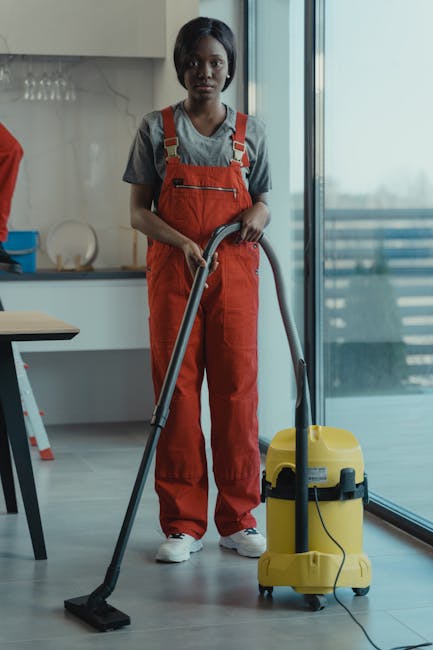
West Ealing W13 flat cleaning guide for landlords
Let's face it: handing back a flat in clean, presentable condition is rarely the most glamorous part of being a landlord. But in West Ealing W13, where tenants expect a tidy, well-kept home and properties move quickly when they look cared for, cleaning can make a real difference to occupancy, deposits, and first impressions. This West Ealing W13 flat cleaning guide for landlords brings together the practical bits that matter: what to clean, when to clean it, how to judge the result, and where landlords most often trip up. If you want a smoother turnaround and fewer awkward conversations, you're in the right place.
A flat can look "fine" at a glance and still fail a proper handover. Smudged kitchen units, limescale around taps, dusty skirting boards, a stale smell in the hallway - these little things add up. This guide breaks the process down in plain English so you can protect the condition of your asset without overcomplicating things.
Why West Ealing W13 flat cleaning guide for landlords Matters
For landlords, cleaning is never just about appearance. It affects how quickly a flat can be re-let, how smooth the checkout process feels, and how likely you are to avoid disputes over the deposit. In a busy rental area like West Ealing W13, tenants and viewers often judge a property in the first minute or two. Fresh surfaces, clear glass, neutral odours, and a well-finished bathroom quietly signal that the home has been cared for.
That matters because people tend to notice the small stuff when the rest of the market looks similar. A flat with clean grout, polished taps, and well-vacuumed carpets doesn't just look better. It feels better. And that feeling can influence how renters behave, how quickly they make a decision, and how much you need to negotiate on price.
There is also a practical landlord angle. When the cleaning standard is consistent, you have a cleaner baseline for inventory checks, snagging, and repair work. It becomes easier to separate normal wear and tear from actual neglect. To be fair, that can save a lot of back-and-forth later.
Expert summary: Good landlord cleaning is not about making a flat look "showhome perfect" every time. It is about reaching a fair, consistent standard that supports handover, protects value, and reduces friction with tenants.
If you manage more than one property, consistency becomes even more important. Many landlords in the area work from one cleaning standard across all units, then adjust only for special cases such as end-of-tenancy cleans, post-build cleans, or flats with carpets and upholstery that need deeper treatment. If you are also thinking about longer-term maintenance, the broader house cleaning support in Ealing W5 can be useful context for keeping standards steady between tenancies.
How West Ealing W13 flat cleaning guide for landlords Works
The process is simpler than it sounds. In practice, landlord cleaning usually falls into one of three stages: pre-tenancy, mid-tenancy, and end-of-tenancy. Each stage has a different goal, and the cleaning tasks should reflect that.
Pre-tenancy cleaning is about setting the property up properly before a new occupant moves in. Mid-tenancy cleaning is more about maintenance and preventing gradual decline. End-of-tenancy cleaning is the most detailed of the three, because the property needs to be returned to a high standard for inspection, re-letting, or refurbishment. If you mix these standards up, trouble starts. A quick refresh is not the same as a full turnover clean.
In a typical West Ealing flat, the job often covers the kitchen, bathroom, living space, bedrooms, hallways, and any communal entry points you are responsible for. Depending on the flat, you may also need carpet care, upholstery cleaning, window detailing, oven cleaning, and limescale removal. The right approach depends on the flat's condition, flooring type, and how fast you need it ready.
Landlords usually get the best results when they work from a written scope. That way, nobody is guessing whether the extractor fan, the inside of the fridge, or the skirting boards are included. Guesswork is expensive. Not dramatic, just true.
Key Benefits and Practical Advantages
The obvious benefit is a cleaner flat. But the real gains go much further than that.
- Faster re-letting: A presentable flat tends to photograph better and view better.
- Fewer deposit disputes: A recorded cleaning standard gives you a clearer reference point.
- Better tenant experience: New tenants walk into a home that feels ready, not left behind.
- Lower long-term wear: Regular cleaning can reduce build-up on surfaces, carpets, and upholstery.
- Stronger property presentation: Clean flats simply look better in listings and during inspections.
There is a subtle but important point here: cleaning also protects decision-making. When a flat is visibly cared for, tenants are more likely to treat it with care. They are not thinking, "This place has been neglected anyway." That kind of impression matters more than landlords sometimes realise.
And yes, there is a commercial side too. If you manage several flats around West Ealing, a regular cleaning rhythm helps you plan void periods more accurately. That gives you less scrambling between tenancies and less last-minute stress. Which, frankly, is worth a lot on its own.
For landlords who also invest locally, this sits neatly alongside a wider property strategy. The article on Ealing property investment considerations offers a useful broader view of how presentation and upkeep connect to rental performance.
Who This Is For and When It Makes Sense
This guide is for landlords who manage a flat in West Ealing W13 and want a practical, repeatable cleaning standard. It is especially useful if you:
- are preparing a flat for new tenants
- need to inspect a property after a tenancy ends
- want to keep a furnished flat in good condition
- are comparing a one-off clean with a recurring cleaning arrangement
- are trying to reduce complaints at move-in
- manage the property remotely and need reliable local support
It also makes sense if the flat has been empty for a while. Empty properties gather dust quickly, and the build-up can be surprisingly obvious in natural light. West Ealing gets its fair share of bright mornings, and that soft daylight has a habit of exposing everything. A bit rude, really, but useful.
If the property has carpets, upholstery, or curtains, the cleaning requirement is usually broader than a basic surface clean. That is when it can help to look at specialised support such as carpet cleaning in Ealing or upholstery cleaning in Ealing, depending on the condition of the flat.
Step-by-Step Guidance
If you want a landlord clean to go smoothly, follow a structured order. Jumping around usually means missing something.
- Walk the flat first. Check for repairs, stains, limescale, odours, and areas that need extra attention.
- Remove clutter and leftover items. A cleaning team can only work properly when surfaces are clear.
- Start high and work down. Dust shelves, tops of cabinets, light fittings, and vents before vacuuming and mopping.
- Focus on the kitchen. Degrease surfaces, clean appliance exteriors, check inside and outside the oven, and wipe handles and switches.
- Tackle the bathroom. Remove soap residue, clean grout, polish taps, and deal with limescale around sinks, shower screens, and toilets.
- Refresh living and sleeping areas. Dust skirting boards, clean windowsills, vacuum carpets, and spot-clean marks on walls where appropriate.
- Detail the touchpoints. Door handles, light switches, bannisters, and cupboard pulls get grimy faster than people think.
- Finish with floors and smell check. Vacuum, mop, and make sure there is no damp or stale odour lingering.
- Inspect in daylight. If you can, do a final walkthrough when natural light is strongest. It makes missed marks easier to spot.
- Document the result. Photos before and after are useful for internal records and any tenancy discussion later.
A small but important tip: if a flat has been occupied for a long period, do not underestimate edges and corners. The centre of a room may look fine while the skirting behind furniture tells the truth. Every time.
A simple cleaning order that works well
One practical approach is to clean in this sequence: kitchen, bathroom, living room, bedrooms, hallway, then floors. It keeps the team moving logically and reduces the chance of re-soiling already cleaned areas. If the property includes a lot of soft furnishings, deal with those after dusting but before the final vacuum pass.
Expert Tips for Better Results
In our experience, the best landlord cleans are the ones that feel calm, planned, and a little unexciting. That is a compliment, by the way.
- Use a written scope every time. It keeps expectations realistic and protects both sides.
- Pay special attention to bathrooms and kitchens. These areas carry most of the "clean or not clean" judgement.
- Don't forget high-touch spots. Handles, switches, remotes, and railings are easy to miss.
- Choose the right level of clean. A light refresh is not enough after a long tenancy.
- Schedule the clean after repairs. There is no point cleaning first and then drilling or painting.
- Let the flat air properly. Fresh air can make a surprisingly big difference, especially in smaller W13 flats.
Where carpets or fabric furniture are involved, drying time should be factored in. A spotless carpet that is still damp when the new tenant arrives is not ideal. Better to plan a little buffer. Not much, just enough to avoid that awkward "Is it ready?" moment.
If you are balancing cleaning with other landlord tasks, a broader local resource such as the services overview can help you think through what belongs in a one-off turnover clean versus ongoing maintenance.
Common Mistakes to Avoid
Landlords tend to make the same few mistakes again and again. The good news is they are easy to fix once you know them.
- Assuming surface clean equals ready-to-let clean. It usually doesn't.
- Leaving cleaning until the very end. Repairs, inspections, and cleaning should be sequenced properly.
- Forgetting hidden zones. Behind bins, under appliances, inside cupboards, and along seals are common problem spots.
- Using the wrong product on the wrong surface. That can damage finishes, especially in bathrooms and around taps.
- Not checking odours. You can look clean and still smell stale.
- Skipping carpets or upholstery in furnished flats. Fabrics hold onto dust and smells more than hard surfaces do.
One common issue is overconfidence. A landlord walks in, sees that the flat "doesn't look too bad," and then the viewing feedback says otherwise. It happens. And usually the feedback is blunt. The place may be tidy, but not fresh enough. Tidy and fresh are cousins, not twins.
Tools, Resources and Recommendations
You do not need a warehouse of equipment to keep a rental flat in good shape. But having the right kit makes the job easier and more consistent.
| Item | Best for | Landlord note |
|---|---|---|
| Microfibre cloths | Dusting, polishing, wiping surfaces | Good for touchpoints and delicate finishes |
| Vacuum cleaner with attachments | Carpets, corners, skirting, upholstery | Useful in compact flats with mixed flooring |
| Non-abrasive bathroom cleaner | Sink, tiles, shower glass, taps | Helps remove residue without scratching |
| Degreaser | Kitchen cabinets, splashbacks, cooker hood | Use carefully on painted or coated surfaces |
| Glass cloth or squeegee | Mirrors and windows | Reduces streaks during final finish |
| Odour neutraliser | Stale or musty rooms | Helpful after long void periods |
For landlords who prefer a more hands-off approach, a professional clean often makes more sense than buying and storing equipment. That is especially true if the flat turns over infrequently but must still look polished when it does. If you also need wider home care between tenancies, domestic cleaning in Ealing or house cleaning in Ealing may be helpful depending on the type of property and how you manage it.
Law, Compliance, Standards, or Best Practice
Cleaning is not usually the most legally complicated part of being a landlord, but it does connect with wider tenancy expectations and property standards. In the UK, it is sensible to treat cleaning as part of your general duty to provide a property that is safe, habitable, and reasonably maintained. Exact obligations can vary depending on the tenancy, the property condition, and what is written into the agreement.
Best practice is to document condition before and after each tenancy. Inventory reports, dated photographs, and a written cleaning scope are all useful if there is disagreement later. That is particularly important if deposit deductions are ever queried. The goal is not to "win" an argument. It is to have a fair record.
Landlords should also be cautious around safety-related issues. Wet floors, harsh chemicals, damaged appliances, mould-like staining, or poor ventilation are not just cleaning matters; they can touch on health and safety as well. If a flat has persistent damp smells, that needs proper attention rather than simply more air freshener. Obvious, yes, but easy to ignore in a hurry.
For landlords who want to work with a provider that takes these responsibilities seriously, it can help to review pages like insurance and safety and health and safety policy before booking any work. That's just sensible due diligence.
Options, Methods, or Comparison Table
Most landlords in West Ealing W13 choose between three main cleaning approaches. The right one depends on timing, budget, and the flat's condition.
| Method | Best for | Pros | Limitations |
|---|---|---|---|
| Light refresh clean | Well-kept flats between tenancies | Quick, cost-conscious, good for maintenance | Not enough for heavy grime or long void periods |
| Deep clean | Turnovers, furnished flats, older properties | More thorough, better for first impressions | Takes longer and needs proper planning |
| End-of-tenancy clean | Checkout and re-let preparation | Best for detailed handover and deposit clarity | Usually the most intensive option |
If you are unsure which method you need, ask yourself one simple question: would you be happy to hand the keys to a new tenant tomorrow? If the answer is "almost," you probably need a deep clean. If the answer is "not a chance," you need a full end-of-tenancy clean. Honest answer, that one.
For landlords comparing options, it is also worth looking at how the cleaning fits into the wider property strategy. Some owners like to pair turnover cleaning with periodic maintenance, carpet care, and upholstery care, rather than treating each task separately. That can feel easier to manage in the long run.
Case Study or Real-World Example
Imagine a two-bedroom flat in West Ealing W13 that has just come to the end of a tenancy. The property is generally tidy, but the kitchen has cooking residue around the hob, the bathroom has limescale on the shower screen, and the living room carpet has dull traffic marks near the entrance. Nothing catastrophic. Just enough to make a first viewing feel slightly tired.
The landlord decides not to rely on a quick surface wipe. Instead, the clean is broken into zones. The kitchen is degreased properly, the bathroom is detailed, the carpet is vacuumed and spot-treated, and the windowsills, skirting boards, and switches are cleaned. The smell changes first. Then the light in the room seems brighter, which is funny because, technically, it hasn't changed at all.
By the time the flat is viewed again, it feels calmer and more "ready". The place is still the same flat, of course. But the atmosphere has shifted. That is the real value of proper cleaning: it changes how the space is experienced.
For landlords who are also active in local property planning, it may help to read related pieces such as a practical guide to Ealing real estate investment and the Ealing property investment guide, especially if presentation and turnaround speed are part of the wider decision.
Practical Checklist
Use this as a simple pre-handover check for a West Ealing W13 flat.
- All rooms cleared of leftover items and rubbish
- Kitchen surfaces degreased and wiped
- Oven, hob, extractor, and appliance exteriors cleaned
- Bathroom descaled, disinfected, and polished
- Mirrors and glass streak-free
- Carpets vacuumed and any stains treated
- Hard floors swept and mopped
- Skirting boards, windowsills, and edges dusted
- Doors, handles, and switches wiped down
- Wardrobes, cupboards, and drawers checked inside
- Odours dealt with, not masked
- Final inspection completed in daylight
- Photos taken for records
Useful rule of thumb: if you can run your hand along a surface and it comes away dusty, the job is not finished yet.
Conclusion
A well-cleaned flat is one of the simplest ways to protect value, reduce disputes, and make life easier between tenancies. In West Ealing W13, where rental expectations are high and the difference between "okay" and "ready" can be small but important, a clear cleaning process is one of the smartest habits a landlord can build.
Keep the scope written, clean in the right order, and pay attention to the details that people actually notice: kitchens, bathrooms, flooring, odours, and touchpoints. That is the stuff that decides how a flat feels. And feelings matter more than people sometimes admit.
If you want a smoother turnover, a cleaner handover, and fewer last-minute surprises, start with a consistent plan and stick to it. Simple, steady, and properly done - that's usually the winning formula.
Get a free quote today and see how much you can save.
Frequently Asked Questions
What should a landlord clean before new tenants move in?
A landlord should make sure the kitchen, bathroom, floors, windowsills, cupboards, switches, handles, and any soft furnishings are clean and fresh. If the property is furnished, upholstery and carpets should also be checked carefully.
Is a regular clean enough for an end-of-tenancy handover?
Usually not. A regular clean is fine for upkeep, but an end-of-tenancy clean is more detailed and should address built-up grime, limescale, grease, stains, and hidden areas that can be missed in day-to-day cleaning.
How often should a rental flat in West Ealing be professionally cleaned?
That depends on tenancy length, occupancy, and the type of property. Many landlords use professional cleaning at the end of a tenancy and then periodic maintenance in between, especially for furnished flats or busy households.
What areas are most commonly missed during a landlord clean?
Skirting boards, behind appliances, cupboard tops, extractor fans, door handles, light switches, and shower seals are often missed. These small spots can make a flat feel less clean even when the main rooms look tidy.
Do carpets and upholstery need separate attention?
Often, yes. Soft furnishings trap dust, odours, and wear marks in a way hard surfaces do not. If a flat has carpeted rooms or fabric seating, specialised cleaning can make a noticeable difference.
How do I know whether I need a deep clean or a light refresh?
If the flat only needs a tidy reset between well-managed tenancies, a light refresh may be enough. If there is visible grime, lingering smells, marks, or long vacancy time, a deep clean is usually the better choice.
Can a landlord do the cleaning themselves?
Yes, but it depends on time, equipment, and the standard required. Many landlords can manage basic upkeep, though professional help is often more efficient for turnover cleans, furnished properties, or flats needing a proper reset.
What is the biggest mistake landlords make with cleaning?
The biggest mistake is underestimating the detail needed. A flat can look presentable while still failing in small but important areas like bathrooms, kitchens, and touchpoints. Those are the parts tenants notice first.
Should cleaning happen before or after repairs and decorating?
Usually after. If you clean first and then carry out repairs, you may end up with dust, splashes, or marks all over again. It is cleaner, faster, and less frustrating to complete repairs before the final clean.
Why does a clean flat help with lettings?
A clean flat feels more cared for, photographs better, and gives potential tenants confidence. It also makes move-in smoother because the property starts from a clear, neutral baseline.
What records should a landlord keep after a clean?
Keep dated photos, an inventory or condition report, and notes on any problem areas or completed repairs. That helps if there are later questions about the state of the flat at handover.
Are there specific safety points landlords should consider during cleaning?
Yes. Wet floors, harsh chemicals, poor ventilation, and damaged fixtures can all create risks. It is sensible to treat cleaning as part of overall property safety, not just presentation.
For landlords who want to explore more about the area and local property context, the broader Ealing articles on this site can be a helpful next read. And if you are planning a changeover soon, a calm, methodical clean now will make the whole process feel less like a scramble later. That's the bit most people are grateful for in the end.