South Ealing station upholstery cleaning service: a practical guide to cleaner, fresher seating and soft furnishings
If you are looking for a South Ealing station upholstery cleaning service, chances are your sofa, armchair, dining chairs, or office seating has started to look a bit tired. Maybe there is a coffee ring on the arm. Maybe the fabric has picked up that faint commuter-dust smell. Or maybe you simply want a proper refresh before guests arrive, tenants move in, or a busy week starts again. Whatever the reason, upholstery cleaning is one of those jobs that makes a room feel better almost immediately.
This guide explains what the service involves, how it works, who it suits, what to expect, and how to avoid common mistakes. It also includes a simple checklist, a comparison table, and a few real-world examples so you can make a sensible decision without guesswork. Truth be told, upholstery is easy to overlook until it is not.
Contents
- Why South Ealing station upholstery cleaning service Matters
- How South Ealing station upholstery cleaning service Works
- Key Benefits and Practical Advantages
- Who This Is For and When It Makes Sense
- Step-by-Step Guidance
- Expert Tips for Better Results
- Common Mistakes to Avoid
- Tools, Resources and Recommendations
- Law, Compliance, Standards, or Best Practice
- Options, Methods, or Comparison Table
- Case Study or Real-World Example
- Practical Checklist
- Conclusion
- Frequently Asked Questions
Why South Ealing station upholstery cleaning service Matters
Upholstery takes more daily abuse than people realise. Fabric seats catch body oils, food crumbs, pet hair, dust, pollen, and spill marks. In a station-area setting, that load can build up faster because people are constantly coming and going, carrying bags, coffee cups, wet coats, and all the usual London grit that seems to find its way indoors by itself.
A professional upholstery clean matters for three simple reasons: appearance, hygiene, and longevity. If you leave dirt sitting in fibres for too long, it can become harder to remove and more likely to cause wear. And let's face it, a clean sofa changes how a room feels. It is not dramatic, but you notice it the minute you sit down.
For households, it can improve comfort and reduce lingering smells. For landlords and tenants, it can help spaces feel properly cared for. For local businesses, especially waiting areas, serviced accommodation, and offices, it supports a better first impression. The same applies in shared buildings and communal spaces where furniture sees heavy use.
If you are planning a broader refresh, it can also make sense to combine upholstery work with other deep-cleaning tasks. Many customers look at deep cleaning when several surfaces need attention at once, or add sofa cleaning if the main issue is a family sofa rather than mixed furniture.
Expert summary: Upholstery cleaning is not just about making fabric look nicer. Done properly, it helps remove embedded dirt, controls odours, and slows down avoidable fabric damage. That is the real value.
How South Ealing station upholstery cleaning service Works
A proper upholstery cleaning service is usually more methodical than people expect. It is not just a quick spray and wipe. The process starts with identifying the fabric type, the level of soiling, and any problem areas such as stains, odours, wear patches, or fragile stitching. Different materials need different handling, which is why a blanket one-size-fits-all approach is rarely ideal.
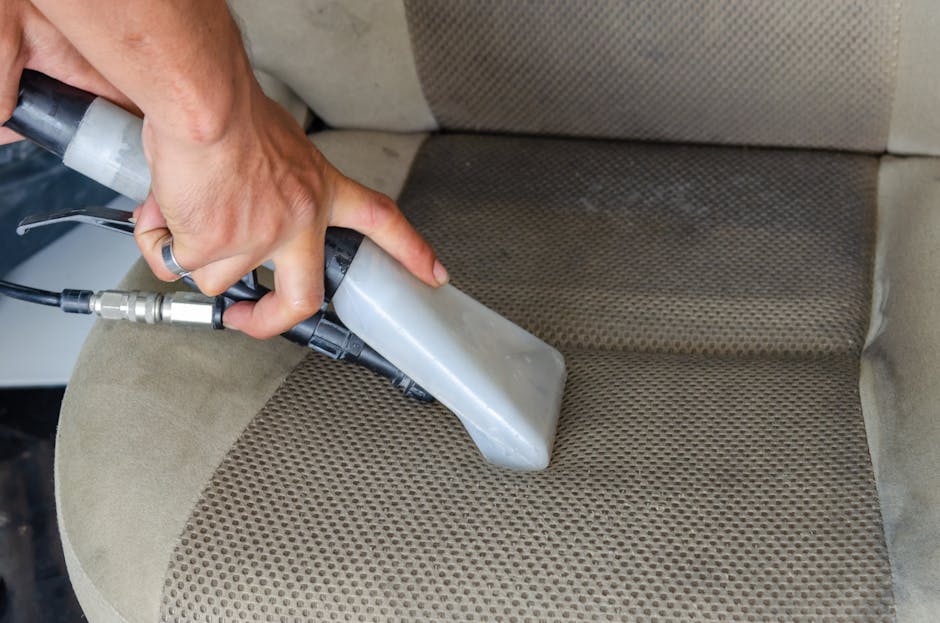
Most services begin with inspection and dry soil removal. This matters because loose grit can scratch fibres if it is pushed around during wet cleaning. Next comes stain pre-treatment where needed. After that, the cleaner may use hot water extraction, low-moisture methods, or specialist spot treatment depending on the item and fabric composition. Some pieces, such as delicate blends or older furnishings, need a more cautious process.
Good technicians also test a hidden area first. That small step saves trouble. Nobody wants dye transfer or a water mark showing up after the job is done. Then there is drying. Depending on the method used, room temperature, and ventilation, upholstery may need time before it can be used normally again.
If odours are part of the problem, especially from pets or spillages, you may want a service that also considers deeper contamination and not just the surface layer. In those cases, pet stain and odour removal can be a useful related option, especially where the smell has settled into cushions or foam.
What a typical visit may involve
- Checking fabric type, age, and condition
- Identifying visible stains and hidden wear
- Vacuuming or dry soil removal
- Applying suitable pre-treatment
- Cleaning using the safest effective method
- Spot treating stubborn marks
- Allowing for practical drying time
- Sharing aftercare advice so the result lasts longer
Key Benefits and Practical Advantages
The obvious benefit is cleaner furniture. But there is more to it than that. A good upholstery clean can lift the whole feel of a room, especially if the furnishings are large or central to the space. One worn armchair in a reception area can make the whole room feel neglected. Clean it properly, and suddenly the room looks looked after again. Small thing, big impact.
There is also the hygiene angle. Upholstery can trap dust, skin flakes, allergens, and everyday grime. While no cleaning service can make bold medical claims, regular maintenance can reduce the amount of debris sitting in soft furnishings. For households with children, pets, or frequent visitors, that is a practical win.
Then there is the financial side. Replacing a sofa or a suite is expensive, especially if you want something sturdy rather than flimsy. Regular care can help extend usable life, and that matters whether you are a homeowner or managing a rental property.
Key advantages include:
- Improved appearance and freshness
- Better odour control after spills, pets, or general use
- Longer life for fabric and cushioning
- More inviting spaces for guests, staff, or tenants
- Less stress when preparing for inspections, move-outs, or events
If you are comparing a broader refresh rather than just one sofa, it may be useful to look at upholstery cleaning as the main service and pair it with rug cleaning or mattress cleaning when the whole soft-furnishing picture needs attention. That combination often gives the most noticeable result.
Who This Is For and When It Makes Sense
To be fair, upholstery cleaning is not only for "very dirty" furniture. Many customers book the service when the furniture is still in reasonable shape, because that is often the best time to deal with contamination before it becomes stubborn.
This service makes sense for:
- Homeowners who want to refresh tired furniture
- Renters preparing for the end of a tenancy
- Landlords getting a property ready for new occupants
- Offices with fabric chairs or reception seating
- Airbnb and short-let hosts who need fast turnarounds
- Families dealing with spillages, pet hair, or general wear
- Shared buildings where seating in communal spaces is heavily used
If you manage a property with a lot of foot traffic, the service may also fit into a wider upkeep plan. Some clients combine it with office cleaning, regular cleaning, or communal area cleaning so the overall standard stays consistent instead of dipping between visits.
It is especially sensible after:
- A spillage that has dried into the fibres
- Pets spending time on the furniture
- Smoky or stale odours building up
- A long winter indoors when windows stayed shut a lot
- Before guests, inspections, or marketing photos
Sometimes the clean is about reassurance more than anything else. You want to know the place feels cared for. That counts.
Step-by-Step Guidance
If you want to know what happens from first enquiry to finished job, here is the typical flow. It is straightforward, but each step matters.
- Describe the furniture clearly. Mention the type of item, fabric if known, visible stains, pet issues, and whether the piece is delicate or antique.
- Ask about the cleaning method. A sensible provider will explain what they plan to use and why. If they cannot, that is a small warning sign.
- Prepare the room. Move small items away, clear clutter, and make the furniture easy to access. A little prep goes a long way.
- Allow for inspection. The cleaner should assess fabric, colourfastness, and risk areas before they start.
- Watch for pre-treatment on spots. Stains usually need targeted attention before the main clean.
- Let the method do the work. Different fabrics require different moisture levels and agitation. Heavy-handed scrubbing is rarely the answer. Honestly, that old "rub harder" instinct causes trouble.
- Allow safe drying time. Open windows if advised, keep children and pets off the item, and do not use it too early.
- Follow aftercare guidance. This might include blotting new spills quickly, rotating cushions, or avoiding harsh home chemicals.
One practical point: if the item has severe staining, drying rings, or a lingering smell, it is better to be realistic about the outcome. A good clean can improve things a lot, but not every mark disappears completely. Clear expectations are part of a good service.
Expert Tips for Better Results
Small decisions make a big difference. In our experience, the jobs that go smoothly usually have one thing in common: the customer gives a bit of context at the start. A coffee stain from last Thursday behaves differently from a mark that has sat there for six months. Fabric age matters too.
Before the clean
- Vacuum around the furniture so access is easier
- Point out old repairs, tears, loose seams, or fading
- Tell the cleaner if the item has been treated with DIY sprays already
- Flag pet accidents honestly, even if they are embarrassing
- Check for hidden cushions or removable covers
After the clean
- Keep airflow moving if the cleaner suggests it
- Avoid sitting on the furniture until it is fully dry
- Fluff cushions once they are dry enough to do so
- Deal with new spills quickly rather than waiting
- Use throws or covers if the furniture is heavily used daily
A useful rule of thumb: the less time dirt has to settle in, the better the outcome. That sounds obvious, but people often leave a stain until "next weekend" and then wonder why it became a problem. Life happens, of course. Still, a prompt response helps.
If you are managing soft furnishings across different rooms, it can be worth pairing upholstery work with curtain cleaning or steam carpet cleaning. That can create a more even overall finish, especially in homes or workplaces where fabrics are all picking up the same dust and odours.
Common Mistakes to Avoid
People often try to fix upholstery problems themselves before calling in help. Sometimes that works fine. Other times it backfires in a very visible way. The biggest mistakes are usually avoidable, which is annoying but also good news.
- Using too much water. Over-wetting can leave marks, extend drying time, or push dirt deeper.
- Scrubbing aggressively. That can distort fibres and spread stains.
- Applying random household chemicals. Mixed cleaning products can cause discolouration or leave residues.
- Ignoring the fabric label or care code. If the material is delicate, heat or moisture may not be suitable.
- Waiting too long to act on spills. Fresh marks are usually easier to treat.
- Choosing a method without checking fabric type. A velvet armchair and a synthetic office chair are not the same job. Not even close.
Another common issue is expecting a miracle on something that has been badly damaged or neglected for years. A responsible cleaner will be honest if a mark is permanent or if the fabric is too fragile for a stronger treatment. That honesty matters more than a flashy promise.
Tools, Resources and Recommendations
You do not need specialist equipment at home to prepare for upholstery cleaning, but a few practical items help. The goal is simply to make the service easier and the result longer lasting.
| Item or resource | Why it helps | Best use |
|---|---|---|
| Vacuum with upholstery attachment | Removes loose dust and crumbs before cleaning | Before the appointment |
| Clean microfibre cloths | Useful for blotting small fresh spills | Daily spot care |
| Soft brush | Helps lift surface fluff without damaging fibres | Light maintenance |
| Good ventilation | Supports drying after a professional clean | After the appointment |
| Care label or purchase info | Gives clues about fabric type and safe methods | Before booking |
From a service planning perspective, it is also sensible to look at the company's wider information pages before you book. Pages like pricing and quotes, insurance and safety, and about us help you understand how the business works, how it handles risk, and what kind of service standards it follows.
If sustainability matters to you, you may also appreciate a provider that thinks about waste and materials sensibly. A relevant page such as recycling and sustainability can help show whether environmental care is part of the way they operate, not just a slogan on a page. Small detail, but worth checking.
Law, Compliance, Standards, or Best Practice
Upholstery cleaning itself is not a heavily regulated consumer service in the way some trades are, but good practice still matters. In the UK, reputable cleaners should work in a way that is safe, sensible, and honest about what they can and cannot do. That includes using suitable products, handling electrical equipment carefully, and following practical health and safety precautions on site.
For customers, the most useful checks are straightforward:
- Does the company explain the cleaning method clearly?
- Do they give sensible expectations about stains, drying, and fabric risk?
- Can they explain how they work safely in homes, offices, or shared buildings?
- Are the terms and pricing clear before the job starts?
- Is there a fair complaints process if something goes wrong?
Those points matter because trust is not built by jargon. It is built by clear communication. If you want to look at the small print, pages like terms and conditions and complaints procedure are useful for understanding how service issues are handled. Likewise, health and safety policy can tell you a lot about the company's approach to careful work.
For cleaning in shared or commercial settings, best practice usually includes protecting floors, checking access, keeping pathways clear, and avoiding disruption to others. If the furniture is in an office, waiting room, or managed property, scheduling matters too. Nobody wants a damp sofa in the middle of a Monday morning rush.
Options, Methods, or Comparison Table
There is more than one way to clean upholstery. The right method depends on fabric, staining, and how much drying time you can allow. Here is a simple comparison to help you think it through.
| Method | Best for | Strengths | Limitations |
|---|---|---|---|
| Hot water extraction | Many synthetic upholstery types and deeper soil | Good for embedded dirt and general refresh | May need longer drying time |
| Low-moisture cleaning | Busy homes, offices, and faster turnaround needs | Quicker drying, less disruption | May be less suited to heavy contamination |
| Spot treatment | Small marks or localised stains | Targets problem areas efficiently | Not enough on its own for full-item cleaning |
| Delicate fabric cleaning | Fragile, antique, or sensitive materials | Reduces risk when handled carefully | Often slower and more limited in scope |
So which should you choose? If the item is generally dirty, you usually want a full upholstery clean rather than isolated spot treatment. If the space needs to be usable again quickly, low-moisture options can be appealing. And if the material is delicate, caution wins. Always.
Case Study or Real-World Example
Here is a realistic example. A small landlord near South Ealing station had a two-seater sofa and three fabric dining chairs in a flat that was about to be re-let. The furniture looked "fine" at a glance, but under closer inspection there were dark arm marks, food specks on the chair backs, and a faint stale smell from closed windows and heavy use.
The practical issue was not just appearance. Viewings were due the next day. The landlord did not want prospective tenants walking in and immediately getting the wrong impression. The cleaning plan was simple: inspect the fabric, treat the visible spots, clean the whole set evenly, and allow enough drying time before photography.
After the clean, the furniture did not look brand new, because that is not how real life works. But it looked brighter, cleaner, and much more presentable. The smell had lifted, the room felt fresher, and the photos were noticeably better. That is often what good upholstery cleaning does. It does not magically erase time, but it makes a room feel well cared for again.
A similar situation happens in offices too. One reception sofa can quietly shape how visitors feel in the first 10 seconds. A clean seat says, "we pay attention." A grubby one says the opposite, and nobody wants that.
Practical Checklist
Use this checklist before booking a South Ealing station upholstery cleaning service:
- Identify the item to be cleaned: sofa, chair, bench, stool, or office seat
- Check the fabric label or any care notes if available
- Note down stains, smells, pet issues, or wear areas
- Decide whether you need one item or several pieces cleaned together
- Ask about the cleaning method and expected drying time
- Make sure access to the room is easy on the day
- Move fragile items, ornaments, and clutter out of the way
- Clarify any special concerns such as colour fade, loose seams, or antique fabric
- Review pricing and service details in advance
- Plan the booking around when you can leave the furniture unused for a while
If you are booking as part of a wider refresh, it may also be worth looking at house cleaning or domestic cleaning so the rest of the property matches the standard of the freshly cleaned upholstery. That sort of joined-up approach usually feels more satisfying, if I'm honest.
Conclusion
South Ealing station upholstery cleaning service is about more than making fabric look neat. It helps restore comfort, supports better hygiene, protects your furniture for longer, and makes homes, rentals, and workspaces feel more welcoming. The best results come from matching the cleaning method to the fabric, treating stains carefully, and allowing enough drying time.
If you remember only one thing, make it this: upholstery cleaning works best when it is planned rather than rushed. A few thoughtful choices at the start usually lead to a much better finish at the end. Simple, but true.
If you need a fuller refresh for your home or business, start by reviewing the service details, checking the practical information, and choosing the option that best suits the furniture and fabric you actually have. That is the sensible route. And a calmer one too.
Get a free quote today and see how much you can save.
Frequently Asked Questions
What does a South Ealing station upholstery cleaning service include?
It usually includes inspection, vacuuming or dry soil removal, stain pre-treatment, cleaning with a suitable method, and drying guidance. Some jobs also include odour treatment or advice on aftercare.
How long does upholstery take to dry?
Drying time depends on fabric type, cleaning method, room temperature, and ventilation. Low-moisture methods usually dry faster, while deeper wet cleaning can take longer. It is best to follow the cleaner's advice rather than guessing.
Can upholstery cleaning remove old stains?
Sometimes yes, sometimes only partly. Older stains are more likely to have bonded with the fibres or padding. A professional clean can often improve them a lot, but no honest cleaner should promise perfection on every mark.
Is sofa cleaning the same as upholstery cleaning?
Sofa cleaning is a type of upholstery cleaning. Upholstery cleaning covers more than sofas, including armchairs, dining chairs, benches, and some office seating.
Will upholstery cleaning help with pet smells?
It can help, especially if the odour is sitting in surface fibres or cushions. Stronger or repeated pet odours may need more targeted treatment, and sometimes pet stain and odour removal is the better fit.
Is steam cleaning safe for all fabrics?
No, not automatically. "Steam cleaning" is often used loosely, and some fabrics are too delicate or too sensitive to moisture and heat. A proper technician should check the fabric first and choose the safest method.
How often should I clean upholstery?
It depends on use. Busy family homes, pet households, and shared or commercial spaces usually need more frequent care than a rarely used guest room. A light maintenance clean can be enough in some cases; other pieces need deeper treatment.
Can you clean delicate or antique furniture?
Sometimes, yes, but it needs a cautious approach. Delicate materials, old stitching, and faded dyes require careful inspection and a conservative cleaning method. The aim is to improve the item without risking damage.
What should I do before the cleaner arrives?
Clear access to the furniture, remove loose items, and point out any stains, tears, or fragile areas. If you have the care label or purchase details, keep them handy. Small prep steps can save time and reduce risk.
Is upholstery cleaning worth it compared with replacing the furniture?
For many people, yes. If the frame and fabric are still in decent shape, a proper clean is usually far more economical than replacement. It can buy you time and restore the room without the cost of a new suite.
Do I need to be home during the appointment?
That depends on the access arrangements and your comfort level. Some customers prefer to stay, while others simply make access available and return later. What matters most is that the cleaner can inspect the item properly and explain any findings.
Can upholstery cleaning be combined with other services?
Yes, and that is often sensible. Many customers pair it with carpet cleaning, curtain cleaning, office cleaning, or end of tenancy cleaning when they want a fuller refresh.
How do I know if a cleaner is trustworthy?
Look for clear service information, sensible explanations, safety and insurance details, and fair terms. Transparent communication is usually the strongest sign that the service will be handled properly.
That is the real promise of a good upholstery clean: not perfection, but a fresher, calmer space that feels easier to live in. And sometimes, that is exactly what you need.